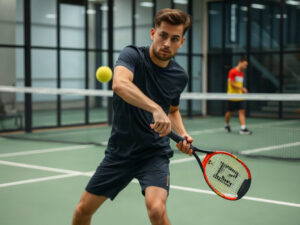
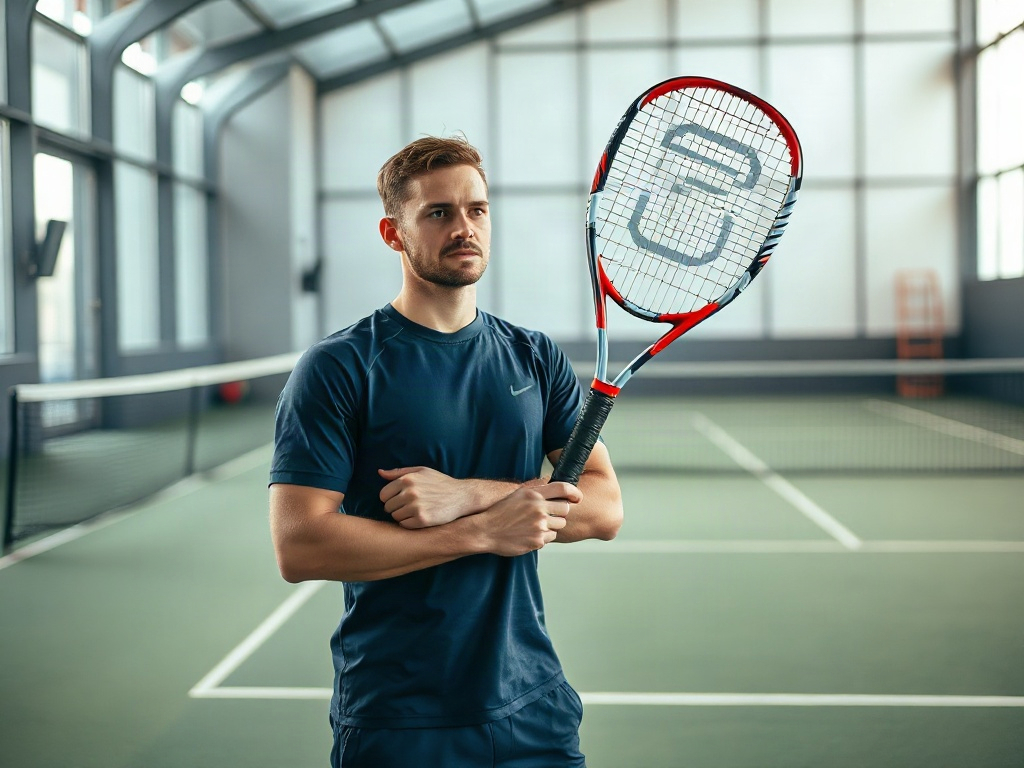

If you come from tennis, padel can feel like someone compressed the best parts of a rally into a faster, more tactical format. The court is smaller, the rebound patterns are more creative, and the game rewards patience just as much as shot quality. That is why many tennis players are surprised by how quickly they can start enjoying it, even while they are still adjusting to the walls and the different rhythm. A visit to padel and performance cwmcarn is especially appealing for players who want a fresh challenge without leaving racket sports behind. You will still recognize familiar elements, but the sport asks you to think differently about spacing, timing, and control. If you want your first session to feel rewarding rather than chaotic, it helps to know what changes most before you step on court.
Padel is not just a smaller version of tennis; it is a sport with its own logic. Tennis players often rely on depth, topspin, and powerful first strikes, but padel often rewards placement, patience, and teamwork more than raw force. That shift can be exciting because it opens up new tactical possibilities almost immediately. You are not abandoning tennis instincts so much as refining them for a more enclosed and reactive environment. The good news is that many foundational skills transfer well, especially if you are open to adapting your habits early. The better you understand those changes, the more likely you are to enjoy your first rally instead of fighting it.
Why Tennis Players Adapt Quickly to Padel
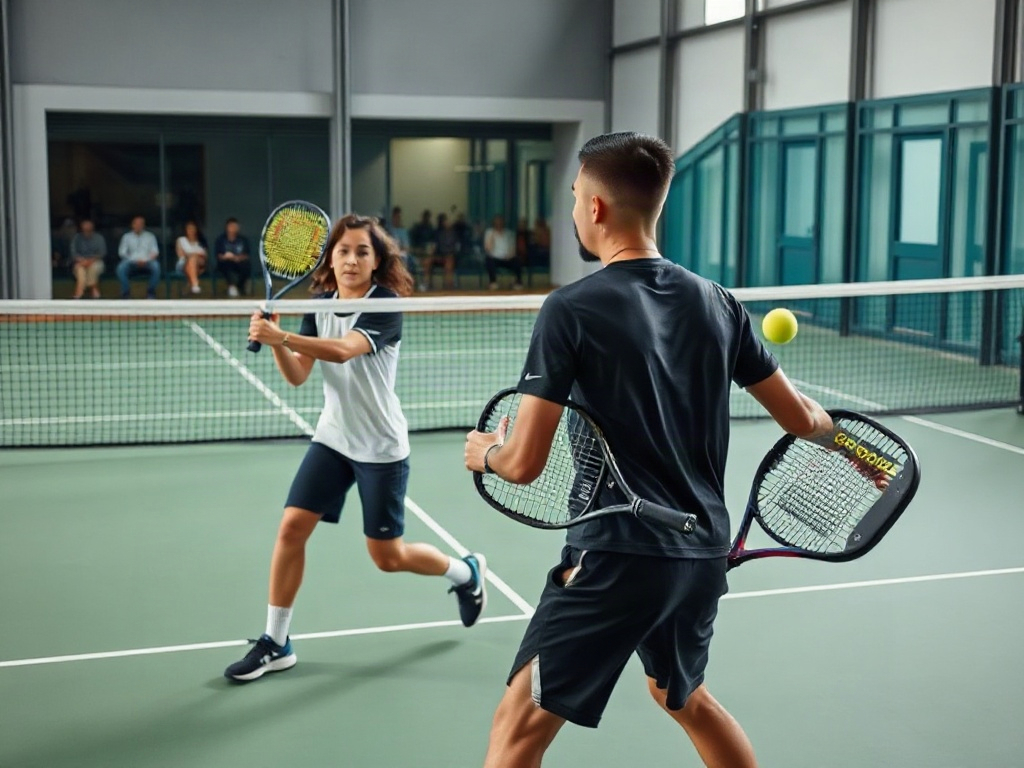
Tennis players usually have an advantage in padel because they already understand racket mechanics, rally construction, and how to read an opponent’s body language. That background makes the learning curve less intimidating than it is for someone who is new to racket sports altogether. What changes is the scale of the court and the importance of using angles, rebounds, and net positioning to create pressure. Instead of trying to overpower a point, you often win by building it carefully and waiting for the right ball. This style can feel refreshing because it turns each point into a small tactical puzzle. Once you accept that the game is slower in some moments and faster in others, the sport becomes much more intuitive.
Many tennis players also enjoy padel because it creates more continuous rallies and more shared responsibility in doubles. In tennis, a single aggressive shot can often end a point quickly, but in padel, the rally may continue through the glass and force a smarter response. That means your timing, recovery steps, and court awareness start to matter in new ways. It also means communication becomes essential, especially when both players are deciding who takes middle balls or who holds the net. The experience can be both social and competitive, which is one reason the sport has grown so quickly. For tennis players looking for variety, padel offers a familiar but more collaborative version of match play.
- Racket control and hand-eye coordination transfer very well.
- Net play still matters, especially for finishing points.
- Reading spin, pace, and opponent intention remains important.
- Doubles awareness from tennis can help with spacing and support.
What Makes the Court Different
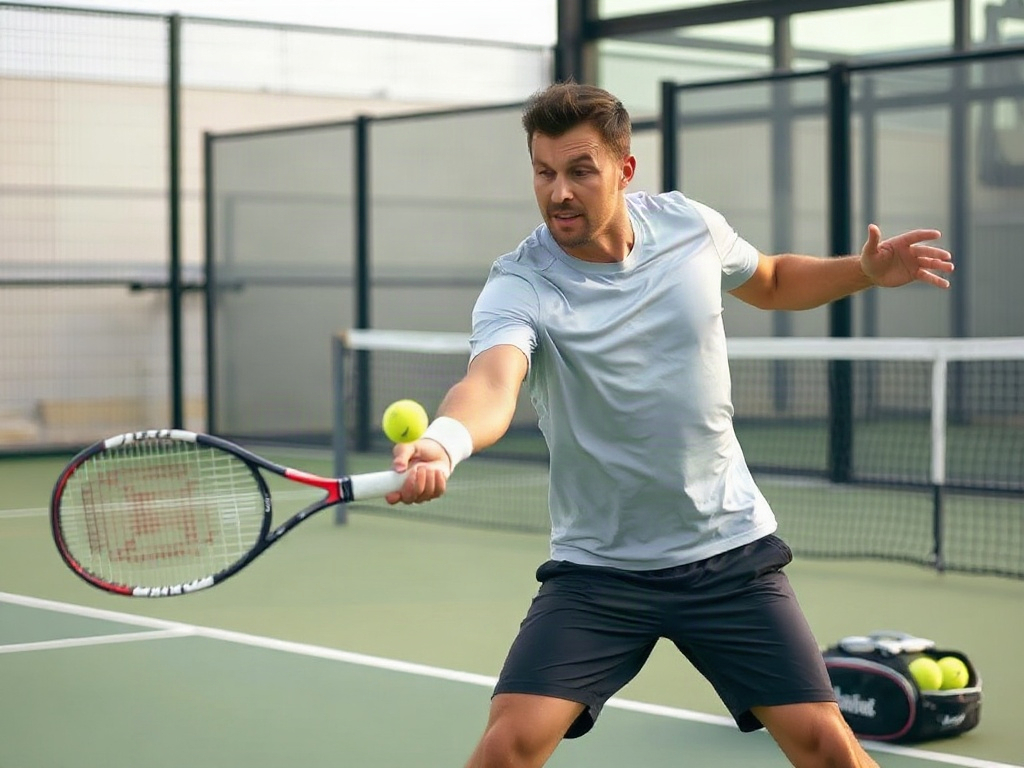
The court is the first major adjustment, and it changes the way every point unfolds. Padel courts are enclosed, smaller than tennis courts, and designed so that the walls are part of the rally rather than an obstacle to avoid. Because the playing area is tighter, positioning becomes more compressed, and every recovery step matters more than it does on a full tennis court. The surface also influences bounce and traction, so the way you move may feel slightly different from what you are used to. In practical terms, this means you have less space to generate momentum but more opportunity to use precision. That combination makes the game feel strategic almost from the first serve.
At a place like padel and performance cwmcarn, tennis players should expect a format that encourages fast decision-making and efficient movement. The enclosed setting can make the ball feel alive in a way that open-court tennis does not, especially when the rebound from the glass keeps a point going. For some players, that creates an immediate sense of excitement because there is less dead time between shots. For others, it takes a few games to stop swinging as if every ball needs to be finished immediately. The quickest way to settle in is to watch how the ball behaves off the back and side walls before trying to dominate it. Once you adjust your eyes and footwork, the court starts to feel logical rather than unusual.
| Feature | Tennis | Padel |
|---|---|---|
| Court size | Larger open court | Smaller enclosed court |
| Serve | Overhand serve | Underarm serve |
| Walls | Not part of play | Used during rallies |
| Shot style | Power and spin often dominate | Placement and patience are key |
| Typical format | Singles or doubles | Primarily doubles |
How Tennis Skills Translate and Where They Need Adjusting
Some tennis skills carry over almost immediately, while others need to be recalibrated. Volleys, anticipation, and the ability to track a ball in flight are all extremely useful in padel. You already know how to hold a strong net position, recognize weak replies, and recover after contact. But the game becomes less about finishing with one big shot and more about forcing an error through structure. That means your instincts are still valuable, but they need to be guided by a different strategy. If you try to play every point like a tennis winner attempt, padel will usually punish the impatience.
The hardest adjustment for many tennis players is learning that some of the “best-looking” balls are actually the wrong choices. A deep, fast ball that would be excellent in tennis may simply hand control to your opponents in padel if it comes off the wall in a comfortable way. Similarly, a big overhead swing may look decisive but can reduce your margin if your contact point is off. The game often rewards a shorter swing, a softer hand, and a clearer understanding of angle and placement. That does not mean passive play; it means intelligent aggression. Once you begin to value construction over force, your tennis background becomes a major asset rather than a limiting habit.
- Use your volley technique, but shorten your preparation.
- Keep your footwork active, but avoid overcommitting forward.
- Trust your ability to read the opponent, especially at the net.
- Reduce full-power swings and focus on controlled contact.
- Be patient with rebounds instead of attacking every ball immediately.
What to Expect During Your First Visit
Your first session should feel like an introduction, not a test. The best approach is to arrive ready to observe, adapt, and stay relaxed while the game teaches you what matters most. If you are visiting padel and performance cwmcarn, it is wise to expect a friendly environment where the pace may be lively but the learning curve is manageable. You do not need to master every rule or tactic before you begin; you only need enough awareness to keep rallies moving and avoid common tennis-based mistakes. The first few games often feel unusual because the ball can seem to stay in play longer than expected. Once you accept that longer rallies are normal, the sport becomes much more enjoyable.
It also helps to show up with the right mindset and practical preparation. Padel shoes or other non-marking court shoes are important because traction affects both safety and movement quality. Lightweight athletic clothing, water, and a willingness to communicate with your partner can make the session smoother from the start. If you have never played before, ask questions about serve placement, wall use, and court positioning before the match begins. Most players improve rapidly when they stop thinking in tennis-only terms and start paying attention to the shape of the point. That openness is often the difference between a frustrating first visit and one that makes you want to return immediately.
- Arrive early so you can see the court and ask about basic rules.
- Use compact swings and prioritize control over power.
- Stay closer to your partner so doubles spacing feels natural.
- Watch the wall rebounds before reacting too quickly.
- Communicate on every medium ball to avoid confusion.
Common Mistakes Tennis Players Should Avoid
The most common mistake is treating padel like a miniature tennis court. That mindset leads players to swing too hard, stand too far back, and finish points too early. Another issue is overusing overhead shots when a softer placement ball would create a better outcome. Because the walls can turn defense into offense, impatience often works against you. Tennis players are often skilled enough to hit impressive shots right away, but padel is less impressed by style than by timing. If you can slow your decision-making slightly, your results usually improve almost instantly.
A second mistake is ignoring doubles structure. In padel, your position relative to your partner matters just as much as the ball in front of you. If one player rushes forward while the other stays too deep, the court opens up for the opposition. Successful pairs move together, defend together, and choose when to attack as a unit. This shared rhythm is part of what makes the sport feel so engaging. When tennis players embrace that teamwork, they often discover a side of racket sport strategy that they have not used as much before.
- Do not swing every shot with maximum pace.
- Do not stand too far from your partner during rallies.
- Do not ignore the back wall or side wall rebounds.
- Do not rush the net without building pressure first.
- Do not assume tennis shot selection will always work here.
Why Padel Is Excellent Cross-Training for Tennis
Padel is not just a fun alternative; it can also support your tennis game in meaningful ways. The close-quarters rallies sharpen reflexes, improve reaction time, and make you more comfortable finishing points at the net. Because you must read angles and rebounds constantly, your anticipation skills can become more refined. The doubles format also encourages communication and smarter positional awareness, both of which can improve your overall match thinking. Many tennis players find that padel helps them become calmer under pressure because the sport rewards composure instead of panic. In that sense, it can be both a training tool and a competitive outlet.
There is also a physical benefit for players who want a demanding sport without the same intensity of full-court tennis. The smaller court can reduce the amount of sprinting while still requiring quick changes of direction and high concentration. That makes it a useful option for players who want to stay sharp while managing overall workload. It can be especially appealing during periods when you want to maintain match feel without the toll of heavy baseline tennis sessions. For many players, the result is better rhythm, better hand skills, and a stronger appreciation for tactical construction. In short, padel can complement tennis instead of competing with it.
Итог
For tennis players, visiting padel and performance cwmcarn is a chance to experience a sport that rewards the skills you already have while challenging you to think in a new way. The court is smaller, the serve is different, and the walls change everything about how points develop. Yet the transition is usually enjoyable because the game still relies on racket feel, anticipation, and competitive instinct. If you bring patience, communication, and a willingness to adapt, you will likely settle in faster than you expect. The smartest players are not the ones who try to dominate padel with tennis habits; they are the ones who learn how to adjust them. Once you do that, the sport becomes not only accessible but genuinely addictive.
Часто задаваемые вопросы
- What should tennis players know before trying padel for the first time?
Tennis players should know that padel is played on a smaller enclosed court, uses an underarm serve, and makes heavy use of walls during rallies. The sport is usually doubles-based, so communication and positioning are crucial. It rewards placement and patience more than power. If you keep that in mind, the first session is much easier to enjoy. - Is padel easier than tennis for beginners?
It can feel easier to start because rallies often stay alive longer and the smaller court reduces some of the physical demands. However, learning wall play, spacing, and tactical discipline takes time. So while the entry barrier is often lower, mastery still requires practice. Many beginners find it accessible but surprisingly deep. - Can tennis rackets be used for padel?
No, padel requires a specific solid racket without strings. These rackets are designed for the sport’s rules and contact style. A tennis racket would not be appropriate or legal for play. If you plan to play regularly, getting the correct equipment is important. - What is the biggest adjustment for tennis players?
The biggest adjustment is learning to use the walls and resist the instinct to hit every ball with maximum pace. Tennis players often need to slow down, build points, and choose angles more carefully. That shift can take a little time, but it pays off quickly. Once the timing clicks, the game feels much more natural. - Why should tennis players try padel at Padel and Performance Cwmcarn?
It offers a fun, competitive, and social way to use your existing racket skills in a new setting. The environment is ideal for learning, adapting, and improving tactical awareness. It can also help sharpen reflexes and doubles play. For tennis players looking for variety, it is a highly rewarding option.