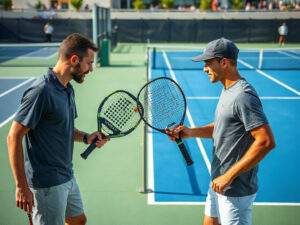
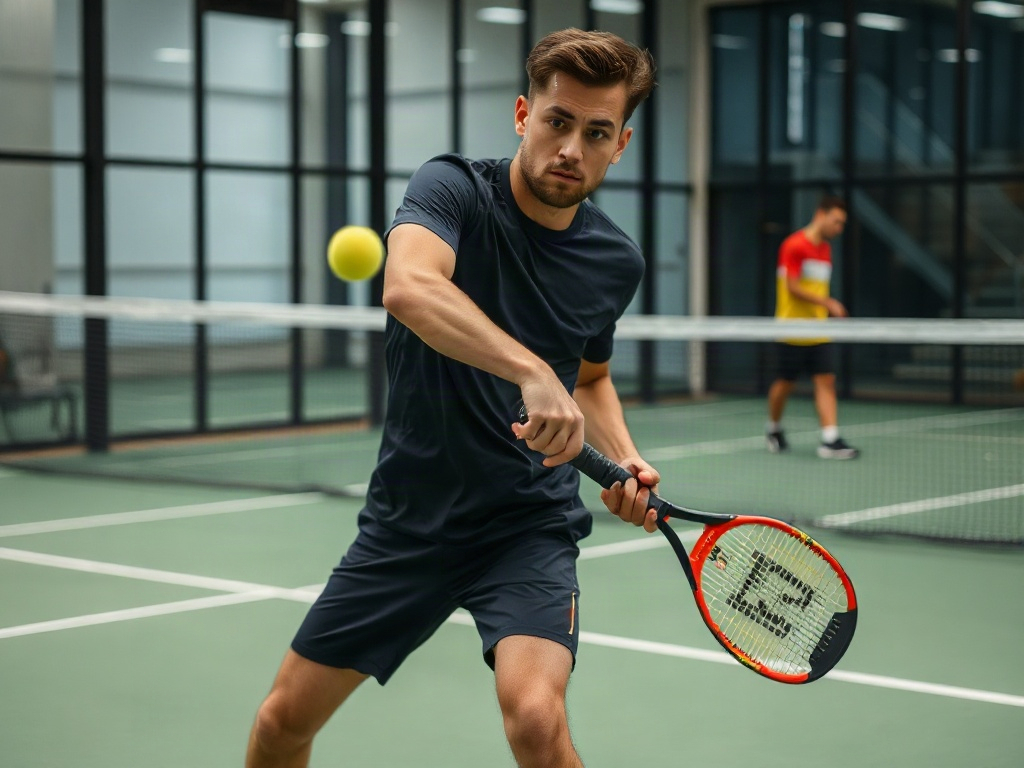

Tennis and padel share a familiar rhythm at first glance: a racket, a net, fast reactions, and a need to outthink an opponent. But once you step into a padel court, the game starts rewriting your instincts in real time. What once felt like smart tennis behavior can suddenly become a liability, especially when the walls, the smaller court, and the emphasis on teamwork change the rules of advantage. That is why many tennis players feel strangely stuck at the beginning, even when their technique looks polished. They are not lacking ability; they are often applying the wrong habits to the wrong sport. The fastest way to improve in padel is often not learning something brand new, but unlearning what no longer serves you.
That shift matters because padel rewards a different kind of intelligence. It asks for patience over urgency, placement over raw power, and court awareness over solo shot-making. A player who tries to dominate the point the tennis way may find themselves trapped, out of position, or repeatedly giving away easy balls. In contrast, the player who adapts quickly starts to see patterns, control space, and build points with far more efficiency. The habits below are the most common tennis carryovers that slow players down in padel. More importantly, each one can be corrected with a practical change in mindset and execution.
Why tennis habits don’t always work in padel

At a glance, tennis and padel may appear similar because both involve racket skills, positioning, and shot construction. In reality, the dimensions of the court and the presence of glass walls transform the geometry of every rally. The ball stays in play longer, the angles behave differently, and the value of patience rises dramatically. Tennis players often rely on bigger swings and deeper spacing because that makes sense on a larger court. Padel compresses those same instincts into a tighter, more tactical environment. The result is that habits that once looked disciplined in tennis can become inefficient, rushed, or predictable in padel.
Another major difference is that padel is fundamentally a partnership sport. In tennis, even doubles still often leaves room for individual patterns and personal preferences, but padel depends heavily on coordination and shared responsibility. That means court positioning, shot choice, and defensive decisions must constantly account for your partner. If one player attacks too early or moves without synchronization, the pair can lose the net or expose the middle. The smartest padel players are not merely skilled with the ball; they are skilled at changing pace, reading rebounds, and staying connected as a team. Once that shift clicks, the game becomes much easier to manage and much harder for opponents to disrupt.
Overhitting the ball
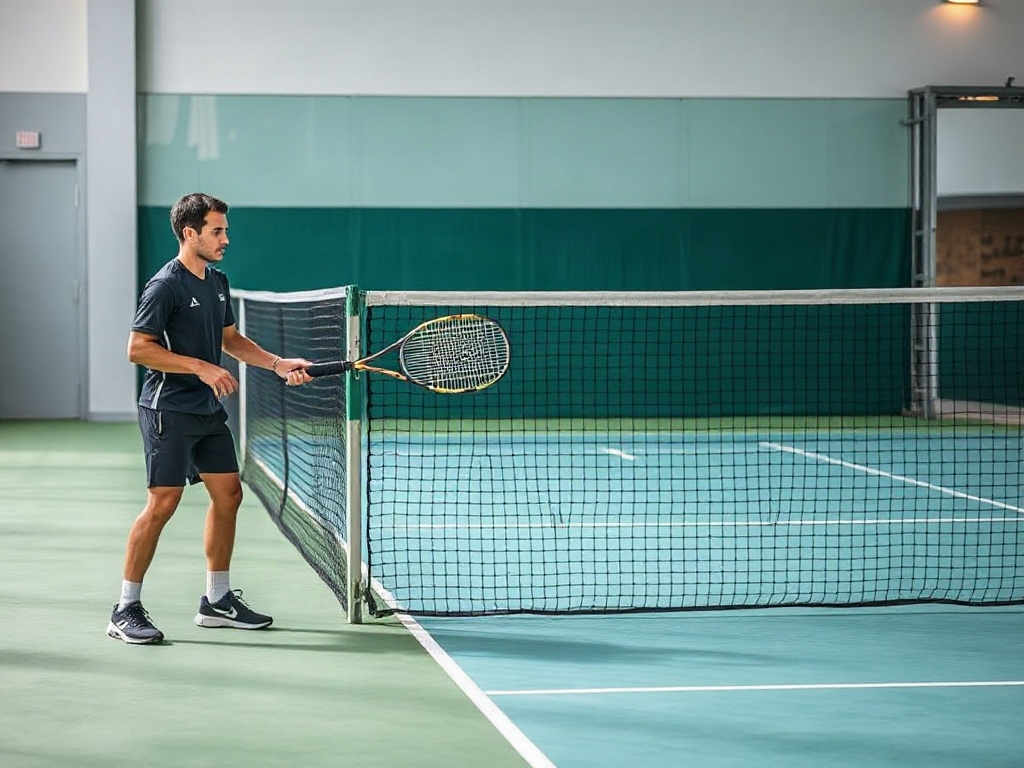
One of the most common tennis habits that carries over into padel is the urge to hit every ball with too much power. Tennis players are often taught to finish points aggressively whenever they spot an opening, and that instinct can be useful in the right context. In padel, however, trying to blast through every rally usually works against you because the smaller court reduces the margin for error. Hard swings can send the ball into awkward rebounds, create easy counters off the glass, or simply miss the contact window altogether. Control, not force, is usually the first skill that separates an effective padel player from an impatient one. The point is not to swing timidly, but to understand when pace helps and when it only creates chaos.
Instead of looking for winner-speed on every shot, think about structure. In padel, a heavy ball placed well can be far more damaging than a flat rocket hit from the wrong position. You can pressure opponents by moving them, forcing weak volleys, and creating uncomfortable angles rather than trying to overpower them. That patience often opens the door to a genuine attacking ball later in the rally. Once you stop treating every shot like a finishing shot, your decision-making becomes calmer and your error rate usually drops. Power still matters, but it needs to be selective, not automatic.
To replace overhitting with control, start by giving every shot a purpose before you strike it. Ask yourself whether the ball should go deep, low, angled, or simply back into a safe zone that resets the point. When you stop chasing instant winners, your shots begin to work as part of a larger sequence. That sequence may include a lob, a soft return, a controlled volley, and only then a more aggressive finish. The best padel points are often built in layers rather than decided by one big swing. Control lets you stay in the point long enough to create better opportunities.
- Use pace only when your balance and contact point are clean.
- Target awkward spaces instead of aiming for pure speed.
- Choose depth and direction before thinking about force.
- Reset the rally when the attacking ball is not clearly available.
Playing too far behind the baseline
Tennis players are trained to respect the baseline as a stable reference point, and that habit can be hard to shake. In tennis, staying deep often gives you time to absorb pace and cover the court efficiently, especially when the ball is coming with heavy spin. In padel, though, lingering too far back can hand control to the other team. The net is a premium position, and the pair that owns it usually controls the tempo of the point. If you wait defensively behind the baseline for too long, you allow your opponents to dictate with volleys, lobs, and easy angles. The court may be smaller, but the consequences of poor positioning are bigger.
The better mindset is to think in transitions rather than static spots. In padel, you often want to move forward as soon as the ball and the situation allow it, especially after a strong lob, a useful return, or a ball that sits up short. That forward movement changes the visual pressure on your opponents and reduces their passing options. It also helps you intercept balls earlier, which is often a huge advantage in a compact court. Even when defending, your goal should be to recover with intention, not to camp out deep and hope for mistakes. The team that advances first usually controls more than just space; it controls confidence.
Ignoring the walls
For many tennis players, the walls feel like obstacles at first, almost as if the court is adding complications for no reason. In reality, the walls are one of the defining features of padel and one of its biggest strategic advantages. A shot that would be out in tennis may still be playable in padel, and that extra time can completely alter the rally. Players who ignore the glass often rush contact, move too early, or hit awkwardly before the ball has fully come to them. Learning to use the walls is not an optional skill; it is central to reading the game properly. Once you accept rebounds as part of the rally, the court opens up in a completely different way.
Walls give you time, but they also demand composure. The ball may look threatening for a moment, yet the rebound often makes the next shot more manageable than it first appears. Good padel players understand when to let the ball come off the glass and when to attack it early. They also recognize that the wall can be used offensively, not just defensively, because it helps shape awkward angles and prolong pressure. Instead of panicking when the ball heads toward the back glass, treat that moment as a cue to read, move, and decide. That one change can dramatically improve consistency.
Wall awareness improves fastest when you practice with intention rather than merely playing more points. You need repetition that helps your eyes judge bounce height, rebound speed, and the timing of contact after the glass. Start by watching the ball longer than you would in tennis and resisting the urge to swing too soon. The better you get at reading the rebound, the more natural the court will feel. Over time, your footwork becomes calmer because you stop chasing balls that are still telling you where they want to go. Wall confidence is largely a reading skill, not just a technical one.
- Watch how the ball changes speed after hitting the glass.
- Practice waiting for the rebound before stepping in.
- Use drills that isolate back-wall and side-wall contacts.
- Focus on balance and preparation instead of rushing the swing.
| Tennis habit | Why it hurts in padel | Better padel adjustment |
|---|---|---|
| Hitting with maximum power | Creates errors and awkward rebounds | Use placement, depth, and controlled pace |
| Staying far behind the baseline | Gives up net control and attacking space | Move forward sooner and recover with purpose |
| Ignoring the walls | Leads to rushed contact and poor reads | Let the ball rebound when it benefits you |
| Forcing winners early | Creates unforced errors and lost structure | Build the point and attack only on the right ball |
Using tennis footwork without adjusting
Tennis footwork is explosive, expansive, and often built around covering large areas quickly. That style makes sense when you must chase wide balls across a long baseline and recover from deep positions. In padel, however, the court rewards different movement patterns. Shorter steps, lower centers of gravity, and quicker micro-adjustments matter more than big lunges and long recovery runs. If a tennis player keeps moving as though they have more space than they actually do, they may end up off balance at contact. In padel, balance is frequently more valuable than speed. The best movers often look compact, efficient, and almost relaxed even when the point is intense.
This adjustment also affects how you prepare for the shot. In tennis, you may have time to build a larger swing path because the ball travels through more space. In padel, the combination of faster decision-making and tighter angles means your setup must be cleaner and earlier. Good footwork becomes a tool for staying in control rather than simply reaching the ball. Players who overrun the shot or rely on dramatic movement usually lose precision. Once you learn to move less but better, the court feels less hectic and your shot quality improves.
Forcing winners too early
Another tennis habit that can backfire in padel is the urge to end the point as soon as a small opening appears. Tennis often rewards initiative, especially when an opponent gives you a short ball or a weak second serve. Padel is more layered, and that means an early attack is not always the smartest attack. A rushed winner attempt can give your opponents a chance to reset, counter with the wall, or take over the net. The best padel players wait for the ball that truly deserves aggression. That discipline is often what separates a solid rally player from a point-builder who can consistently dominate.
Instead of asking, “Can I finish this point now?” ask, “Can I improve my position first?” That question changes everything. Sometimes the correct move is to keep the opponent deep, play a high-percentage shot, and force them to defend one more ball. Patience is not passive; it is strategic pressure applied over time. Once you understand that a point can be won through accumulation rather than explosion, your decision-making becomes much stronger. You will still attack, but you will attack from a better place.
- Wait for a ball that is short, slow, or poorly balanced.
- Use the previous shot to create a higher-quality attacking opportunity.
- Avoid finishing from awkward body positions.
- Prioritize point structure over instant payoff.
Serving and returning like it’s tennis
The serve and return in padel work very differently from tennis, and this is where many new players misread the point from the very beginning. In tennis, the serve is often a direct weapon intended to produce aces or weak returns. In padel, the serve is more about setting up the next phase than overpowering the returner. Likewise, the return is less about blasting a pass and more about making it difficult for the serving team to take the net comfortably. A tennis-style serve aimed purely at speed can become ineffective if it lacks placement or shape. The same is true for the return, where control and trajectory often matter more than sheer pace.
When tennis players overcommit to power on serve or return, they frequently miss the larger strategic picture. The serve should help you gain an advantageous rally position, while the return should delay the server’s net approach or force a comfortable defensive response. If you attack too hard without control, you may simply donate short balls or loose errors. Smart padel service and return patterns focus on the next shot, not just the first one. That mindset helps you stay connected to the structure of the point and avoid wasting opportunities. Simple adjustments here can produce immediate improvement.
Not communicating enough with a partner
In tennis doubles, communication matters, but padel magnifies it to a much higher level. Since the court is smaller and the center line creates constant shared spaces, even small lapses in coordination can become expensive. Players need to know who takes lobs, who covers the middle, and who is responsible for certain defensive balls. Without communication, one partner may freeze while the other hesitates, and the point can collapse from a simple misunderstanding. Good teams sound organized because they are organized. Their communication is not loud for the sake of it; it is efficient, timely, and informative.
This is one of the easiest habits to improve because it does not require advanced technique. You simply need clearer habits before, during, and after the point. Talk early enough that your partner can adjust, and use consistent language that removes uncertainty. The more predictable your communication, the faster your team will learn to trust each other. That trust changes positioning, improves shot selection, and makes defensive transitions much smoother. In padel, partnership is not a bonus; it is part of the skill set.
Small verbal habits can produce big gains because they prevent hesitation before it starts. Instead of trying to talk constantly, focus on the moments that matter most. A quick call on the middle ball or a clear signal about lobs can save several shots down the line. You are not just coordinating movement; you are reducing ambiguity. When both players know who is taking responsibility, the pair becomes more decisive and more stable. That stability often shows up in the scoreline before it shows up in the highlights.
- Call “mine” or “yours” early and clearly.
- Agree in advance on lob responsibility.
- Use short feedback between points to reset quickly.
- Protect the middle with consistent shared rules.
Итог
The biggest challenge for tennis players entering padel is not lack of talent, but the mismatch between old instincts and new demands. Power, deep spacing, rushed winners, and solo habits may have been effective in tennis, yet they can slow progress in padel. The more quickly you adjust your mindset, the faster the court starts to make sense. That adjustment is not about abandoning your tennis background; it is about refining it for a different game. Once you accept the walls, respect the net, and value teamwork, your play becomes far more efficient. Small changes in behavior often create large gains in confidence and results.
If you want to improve quickly, focus on one habit at a time instead of trying to transform everything at once. Replace overhitting with control, move with intention, and communicate more clearly with your partner. Learn to read the walls rather than fight them. Most importantly, stop measuring every point by whether you can end it immediately. In padel, the smartest player is often the one who waits, builds, and chooses the right moment to strike. That is where consistency becomes control, and control becomes winning padel.
Часто задаваемые вопросы
- Why is tennis experience not always an advantage in padel?
Tennis experience helps with timing, racket feel, and competitive instincts, but padel requires different positioning, wall use, and partner coordination. The habits that make a player strong in tennis can become inefficient if they are used unchanged in padel. Adapting quickly is often more important than starting with perfect technique. Players who learn the tactical differences usually improve much faster. The advantage comes from translation, not repetition. - What is the biggest mistake tennis players make in padel?
One of the biggest mistakes is trying to hit too hard too early in the rally. That often leads to unforced errors, poor spacing, and lost control of the point. Padel usually rewards placement, patience, and better decision-making over raw force. Players who slow the game down mentally often start winning more points. The best adjustment is learning when not to attack. - How long does it take to adapt from tennis to padel?
The timeline varies depending on the player, but many people notice improvement once they adjust their positioning and stop fighting the walls. Some changes happen quickly, especially with footwork and shot selection. Other habits, like patience under pressure, take more time and match experience. The key is to focus on one improvement area at a time. Consistent play and targeted practice usually speed up the process. - Should tennis players change their grip for padel?
Sometimes small grip adjustments help, especially for comfort and control on volleys, lobs, and wall shots. Many players do not need a complete reinvention, but they may benefit from minor refinements. The goal is to make the racket feel more natural for compact swings and quick reactions. A coach or experienced padel player can help identify what needs adjusting. Grip changes should support control rather than force a dramatic overhaul. - Is padel more about strategy than power?
Yes, padel usually places far more value on strategy, teamwork, and positioning than on pure power. Strong shots still matter, but only when they are used in the right context. A well-placed ball, a smart lob, or a disciplined defensive reset can be more effective than a hard swing. That is why many experienced tennis players need to rethink how they define “attacking” in padel. Smart choices often beat big swings.