
At first glance, padel and tennis seem like close cousins: both are racket sports, both revolve around timing and placement, and both can turn a casual afternoon into an unexpectedly competitive battle. But once you step onto the court, the differences become impossible to ignore. The size of the playing area, the way the ball is served, and even how rallies unfold can completely change the experience for a first-time player. If you are trying to decide which sport is easier to learn, more fun to play, or simply more suited to your style, understanding these contrasts is the fastest way to make a smart choice. It also helps to know that one sport is not just a “smaller version” of the other, because that assumption leads many beginners in the wrong direction. The truth is that padel and tennis reward very different habits, and those differences start showing up from the first point.
What Is Padel?
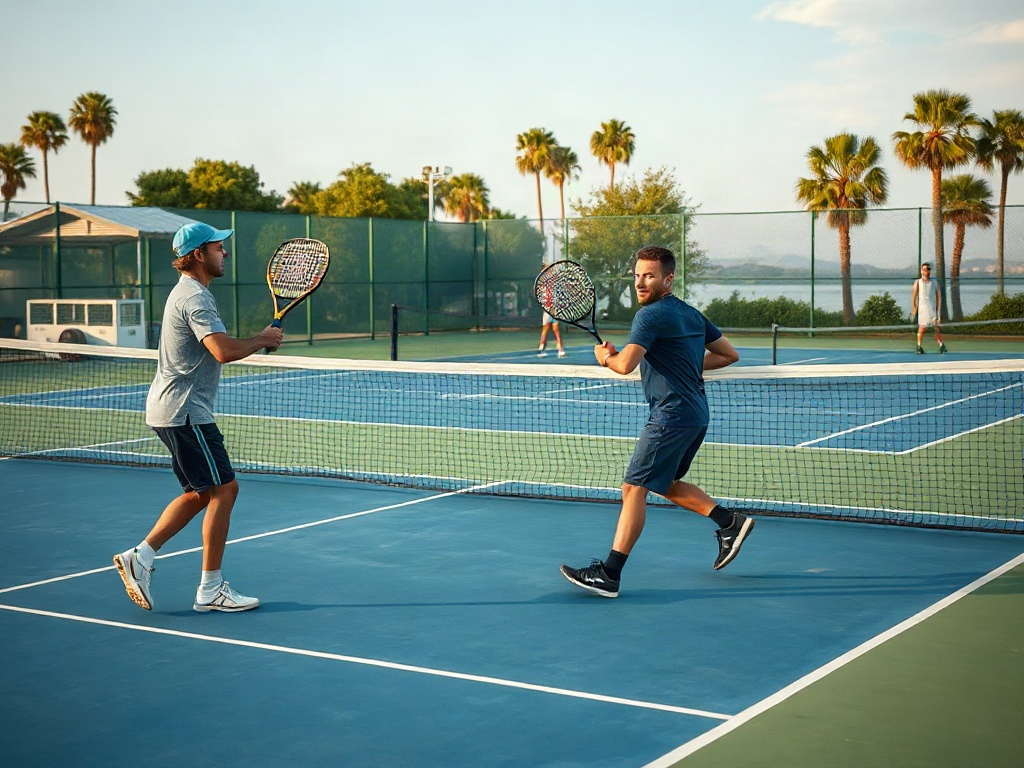
Padel is a racket sport that is usually played in doubles on an enclosed court made of glass and mesh walls. The game blends ideas from tennis and squash, but it has its own rhythm, its own tactics, and its own learning curve. One of the main reasons beginners often enjoy padel quickly is that the court is smaller, the serve is easier to execute, and the walls keep more balls in play. That combination means longer rallies and fewer immediate mistakes, which is often encouraging for new players. Padel is also more social by nature, since doubles play is the standard format and teamwork matters on nearly every point. For first-time players, it can feel less intimidating than tennis because the action stays closer, slower, and more forgiving.
In padel, rallies often feel tactical rather than explosive, and that changes how beginners approach the sport. Players need to watch the bounce carefully because the walls are part of the game, which means a ball that looks out of control may still be recoverable. Instead of trying to win every point with power, many successful players focus on placement, patience, and positioning. That makes padel feel accessible even to people who are not naturally strong hitters. It also encourages communication between partners, since movement and shot choice are often decided as a team. For first-time players, that shared responsibility can reduce pressure and make the sport more enjoyable from the outset.
What Is Tennis?
Tennis is one of the world’s most recognizable racket sports, and it can be played in singles or doubles. Unlike padel, tennis is usually played on a larger open court without walls, which means every shot must land inside the playing lines to remain valid. The sport is famous for its variety of serving styles, shot speed, and demanding movement patterns. Because of the size of the court and the technical nature of the serve, tennis often feels more physically intense for beginners. It asks players to cover more ground, react more quickly, and master a wider range of strokes over time. That said, tennis can be deeply rewarding for first-time players who enjoy precision, rhythm, and the challenge of building a more technical game.
New players usually notice the serve before anything else because it is such a defining part of tennis. A good serve can immediately influence the point, while a shaky serve can make the game feel frustrating at the start. Beginners also tend to notice how much court coverage is required, especially in singles matches where there is no partner to help defend open space. Since there are no walls to extend rallies, players must rely on cleaner shot execution and better positioning. That makes tennis feel more open, but also more demanding. For some first-time players, that challenge is exactly what makes the sport exciting.
Padel vs Tennis Court Differences
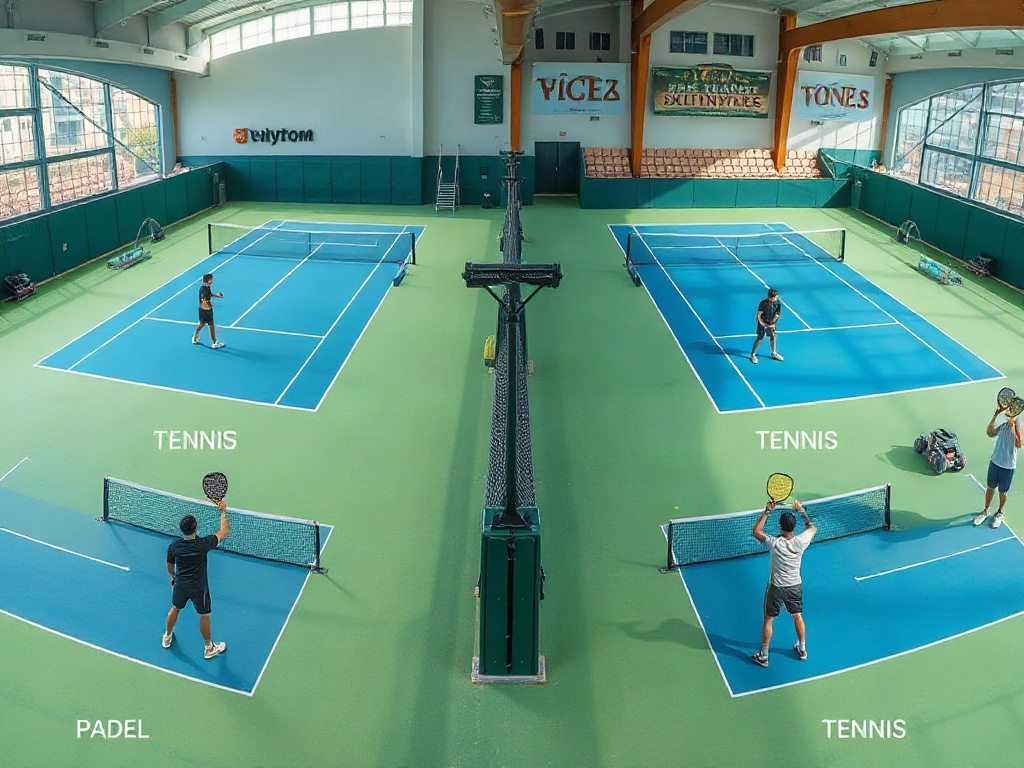
The court is one of the clearest reasons these two sports feel so different. A padel court is much smaller and fully enclosed, while a tennis court is larger and open to the surroundings. In padel, walls are not just boundaries; they are active elements of play that can be used strategically. In tennis, the walls and fences are outside the game, so the ball must stay within the court lines and remain in open space. This means movement patterns, recovery time, and shot selection all change based on the sport. For first-time players, understanding the court layout is essential because it shapes nearly every decision during a rally.
To make the difference easier to visualize, here is a simple comparison of the main court features. This kind of overview is especially helpful if you are standing between the two sports and want a quick practical reference. The numbers below are not meant to make you memorize technical details immediately, but they do show just how different the playing environments are. A smaller court often means faster access to the ball and less running, while a larger court creates more space and more emphasis on endurance. These design choices are not cosmetic; they affect how the entire game unfolds. That is why court size matters so much when choosing a sport as a beginner.
| Feature | Padel | Tennis |
|---|---|---|
| Court Size | Smaller, enclosed | Larger, open |
| Walls | Used in play | Not used in play |
| Typical Format | Doubles | Singles or doubles |
| Beginner Experience | More forgiving and rally-friendly | More technical and physically demanding |
Because padel courts are enclosed, the ball can rebound and stay alive in ways that would be impossible in tennis. This creates longer rallies and gives beginners more chances to recover from imperfect shots. In tennis, the wider court and lack of walls force players to cover more distance and hit more precise shots to keep the point alive. The result is a game that can feel faster and more direct, especially when played at a higher level. For new players, the court difference is not a minor detail; it is one of the main reasons the two sports feel so distinct. If you understand the court, you understand a large part of the sport itself.
Padel vs Tennis Rules
Although padel and tennis share a common goal, their rules shape the flow of play in very different ways. Padel is generally more forgiving, especially for players who are still learning how to control the ball under pressure. Tennis, on the other hand, includes stricter expectations around serving, shot placement, and rally control. The difference is not just theoretical; it affects how confident a beginner feels on day one. In padel, errors are often absorbed by the structure of the court and the nature of doubles play. In tennis, errors usually end points more quickly, which raises the pressure on every stroke.
- Serving style: Padel uses an underhand serve, while tennis uses an overhead serve.
- Ball interaction: Padel allows wall rebounds after the bounce, but tennis does not.
- Common format: Padel is mostly doubles, while tennis is played in singles and doubles.
- Rally style: Padel often rewards patience and placement, while tennis often rewards depth, pace, and precision.
- Beginner tolerance: Padel usually gives beginners more chances to stay in the point.
Serving is one of the first areas where beginners feel the gap between the two sports. In padel, the underhand serve reduces technical difficulty and usually makes it easier to get the ball into play. In tennis, the serve can be one of the hardest shots to learn because it requires timing, coordination, and consistency all at once. Another major difference is how the ball behaves after the bounce. In padel, a ball can strike the glass and remain in play, which creates a wider range of defensive and tactical options. In tennis, once the ball lands outside the court or touches an unauthorized surface, the point ends much more quickly.
Rules matter because they determine how quickly a first-time player can feel successful. Padel often creates early wins through longer rallies, easier serves, and more chances to react after a mistake. Tennis usually asks beginners to manage more immediate consequences, especially when serving or returning a strong shot. That does not make tennis less enjoyable, but it does make the learning curve steeper in the early stages. Many newcomers prefer padel first because it allows them to participate in the rally sooner and more often. As a result, the sport can feel friendlier before skill levels begin to separate.
How Scoring Works in Padel and Tennis
One of the most useful things for first-time players to know is that padel and tennis use the same basic scoring structure. Both sports move through the familiar sequence of love, 15, 30, 40, and game. That shared system makes it easier for beginners to switch between the two sports without having to relearn the fundamentals of scoring. Even so, the feel of the match can differ because the speed, rally length, and point construction are not the same. A beginner may understand the score perfectly and still feel that one sport plays much differently than the other. The scoring is similar, but the experience of earning those points is often very different.
- Point progression: Both sports use love, 15, 30, 40, and game.
- Games and sets: Points build into games, and games build into sets.
- Match structure: The overall match is won by taking the required number of sets.
- Deuce situations: In both sports, tied games can go into extra pressure scenarios.
What changes is not the score itself but the path to reaching it. In padel, rallies are often longer, so points may feel more strategic and less abrupt. In tennis, a strong serve or aggressive return can end a point quickly, which creates a different emotional rhythm. Beginners may find padel scoring easier to follow in practice simply because they stay in rallies longer and have more time to think. Tennis can feel sharper and more decisive, especially when players are still learning to return serve confidently. Either way, the scoring system is one of the few parts of these sports that beginners can recognize almost immediately.
Even though the score format is the same, the way points are won creates very different match energy. In padel, a single point may involve multiple rebounds, several changes of angle, and a steady exchange between partners. In tennis, a point may be built on serve placement, a return, and a quick finishing shot. That means the same scoreline can feel completely different depending on the sport being played. Beginners who assume the games are nearly identical often notice this contrast only after their first few rallies. Once they do, the differences become much easier to appreciate.
Which Sport Is Easier for First-Time Players?
For many beginners, padel is the easier sport to start with. The smaller court reduces physical pressure, the underhand serve lowers technical barriers, and the walls help keep rallies alive long enough for new players to get comfortable. Tennis can absolutely be learned by beginners, but it often requires more patience because the serve, footwork, and court coverage take longer to develop. If a new player wants quick enjoyment and a social, low-stress entry point, padel is often the more welcoming choice. If someone prefers a more traditional challenge and enjoys technical improvement over time, tennis may be the better fit. The right answer depends less on prestige and more on what kind of experience you want from your first few sessions.
- Choose padel if you want: easier rallies, a social doubles format, and a softer learning curve.
- Choose tennis if you want: a wider variety of shot-making, singles play, and a more technical challenge.
- Choose padel if you value: quick success and longer points.
- Choose tennis if you value: traditional court play and greater physical range.
Equipment Differences
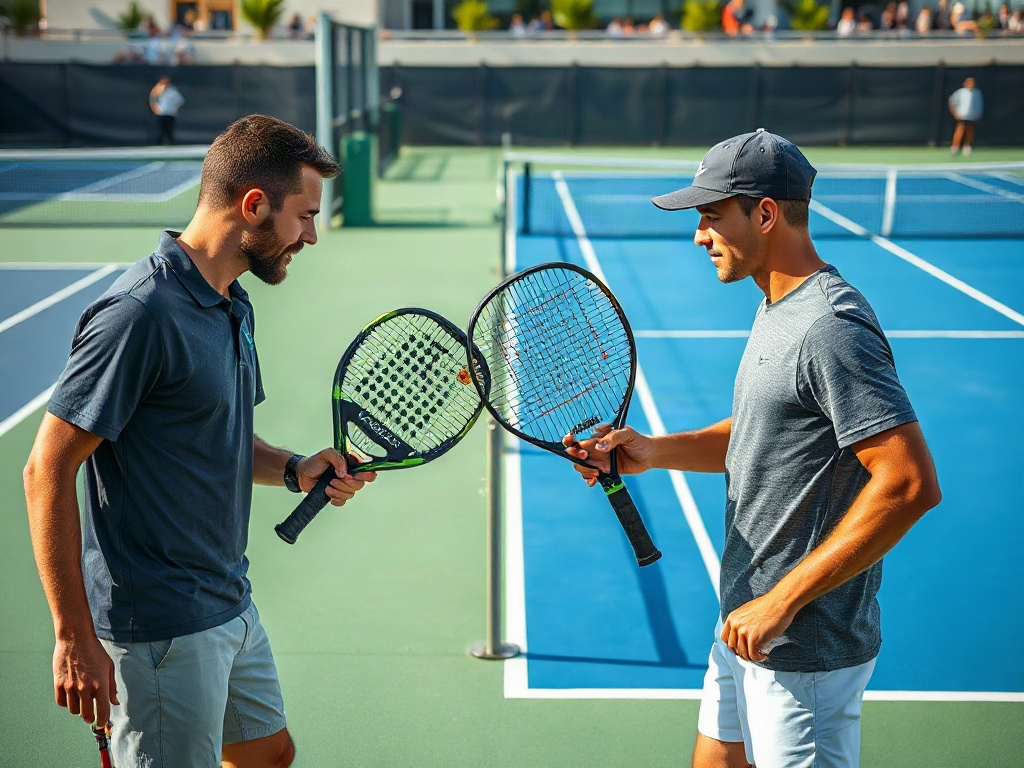
The equipment used in padel and tennis also affects how each sport feels in a beginner’s hands. Padel rackets are shorter, solid, and perforated, which makes them easier to control but less suited to generating explosive power. Tennis rackets are longer, strung, and built to create spin, pace, and a wider range of shot shapes. The balls are similar in appearance, but padel balls are typically slightly lower in pressure, which contributes to the sport’s more controlled pace. These equipment differences are not just cosmetic; they directly affect how a first-time player strikes the ball and how forgiving the sport feels. For that reason, gear choice is part of the learning experience, not just a side note.
A padel racket tends to feel more manageable because it rewards control and clean contact rather than raw swing speed. Beginners often appreciate that because they can focus on placement and consistency without feeling overwhelmed by heavy power demands. Tennis rackets offer more reach and more shot variety, but they also require more refined technique to use well. That can be exciting for players who enjoy skill development, although it may feel less immediate at the start. If you are testing both sports for the first time, the equipment itself may help you decide which one feels more natural. Sometimes the first swing tells you more than the rulebook does.
Common Mistakes First-Time Players Make
New players in both sports tend to make predictable mistakes, and recognizing them early can shorten the learning curve. In padel, one of the most common errors is trying to hit too hard instead of focusing on control and positioning. In tennis, beginners often struggle with serve consistency and footwork, which can make even simple points feel complicated. In both sports, misunderstanding the scoring system can create confusion during matches and reduce confidence. These mistakes are normal, and they are usually part of the process rather than signs of poor potential. Still, knowing what to watch for can help first-time players improve faster and enjoy the game more.
- Trying to overpower the ball instead of building consistency.
- Forgetting basic court positioning during rallies.
- Misreading how walls work in padel.
- Struggling to maintain serve accuracy in tennis.
- Losing track of score progression during fast points.
One useful habit for beginners is to slow the game down mentally, even when the pace feels fast. In padel, that means reading the bounce and trusting the wall when needed. In tennis, that means focusing on clear footwork and getting the ball back into play before trying for spectacular shots. Players who chase highlights too early often miss the chance to build a stable base. The best first-time progress usually comes from simple, repeatable choices. Once those become natural, the more advanced parts of either sport become much easier to learn.
Итог
Padel and tennis may share a scoring system and a similar overall objective, but they deliver very different experiences for first-time players. Padel is usually easier to start with because it has a smaller court, an easier serve, and wall-supported rallies that keep the game moving. Tennis offers a larger stage, more technical demands, and a more traditional sporting challenge that many players find deeply satisfying over time. Neither sport is inherently better for everyone, because the right choice depends on your goals, your comfort level, and the type of challenge you enjoy. If you want quick success and a social atmosphere, padel is often the most inviting entry point. If you want a more classic and technically demanding racket sport, tennis may be the better long-term fit.
Часто задаваемые вопросы
- Is padel easier than tennis for beginners?
Yes. Padel is usually easier for first-time players because the court is smaller, the serve is underhand, and rallies tend to last longer. - Do padel and tennis use the same scoring system?
Yes. Both sports use the same basic scoring progression: love, 15, 30, 40, and game. - Can you play padel alone?
Padel is primarily designed for doubles, so it is usually played with four players rather than one-on-one. - Are walls part of tennis?
No. Walls are not part of tennis, and any ball that leaves the court area is generally out of play. - Which sport is better for fitness?
Both offer excellent exercise, but tennis usually requires more running, while padel emphasizes quick reactions, teamwork, and sustained rallies.