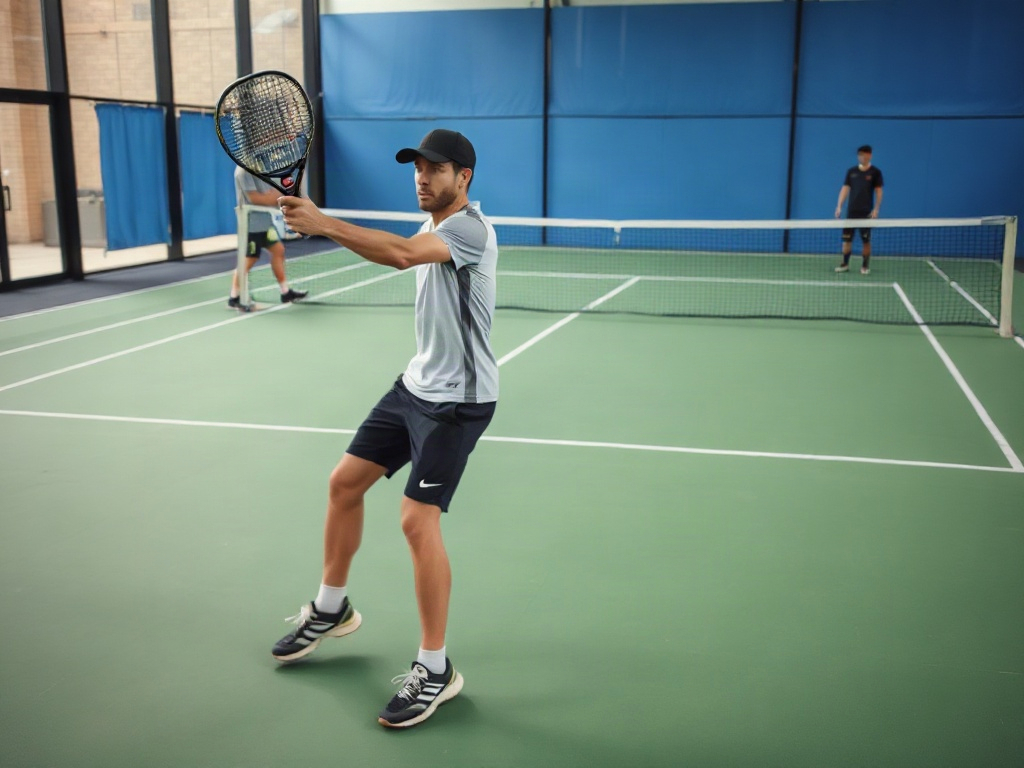

Padel serves look deceptively simple until the first match point, when every small detail suddenly matters. A legal serve is not just about putting the ball into play, but about doing it in a very specific way that respects position, height, bounce, and direction. When players understand these rules properly, they avoid cheap errors and gain more confidence under pressure. That confidence matters because the serve in padel is less about raw power and more about precision, rhythm, and control. In other words, a good serve gives you a cleaner start to the point without risking unnecessary faults. This article breaks down the legal technique, the bounce-height requirement, and the mistakes that most often turn a simple action into a lost point.
What makes a padel serve legal?
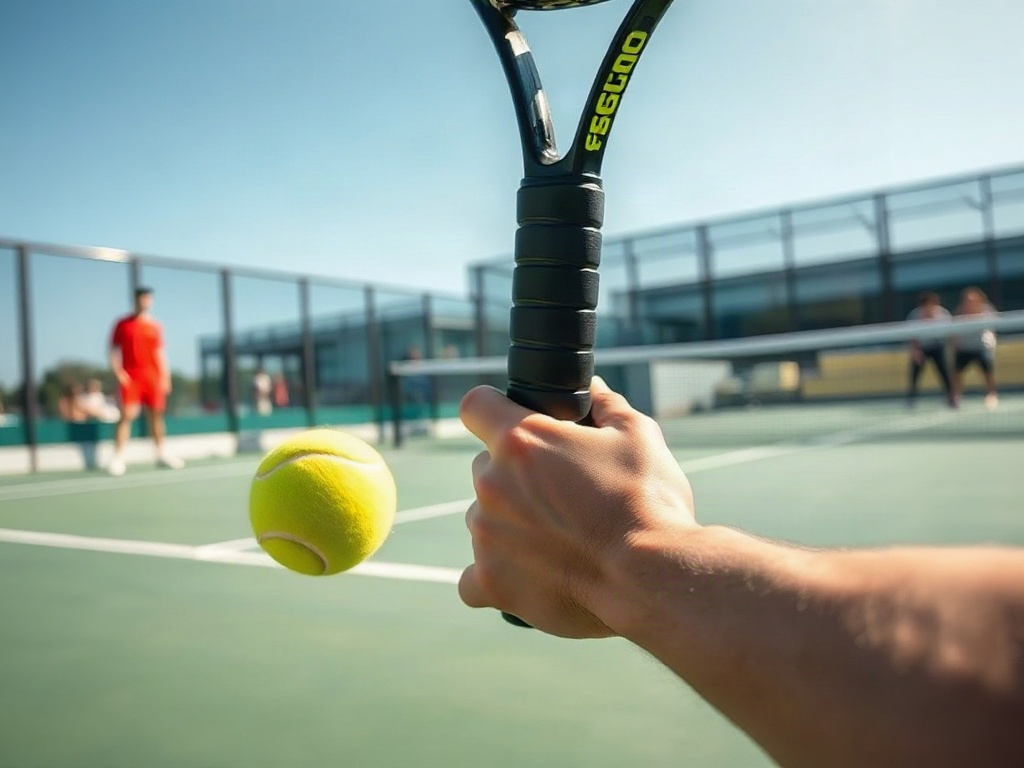
A legal padel serve starts before the racket even moves, because your stance and setup already determine whether the action is valid. The server must stand behind the baseline and serve diagonally into the opponent’s service box, which creates the standard shape of every point. The ball must be struck underhand, and contact must happen at or below the allowed height. Just as important, the ball must be dropped or released by hand and hit after it leaves the hand, not thrown in a way that changes the motion into something resembling a tennis serve. If any of these fundamentals are broken, the serve can be called a fault immediately. That is why padel serving is often more about repeatable discipline than creative shot-making.
The rules are strict because they preserve the distinct character of padel. Unlike tennis, where the serve can be a major weapon, padel limits server advantage to keep rallies more balanced and returnable. This means the server cannot use a high striking point, an over-the-top action, or an illegal foot position to create extra pace. It also means the serve should be controlled enough for the receiver to react fairly, which is part of what makes padel tactically interesting. Many beginners assume the serve is just a formality, but experienced players know it can shape the entire point. If you want to stay legal, you need to understand both the geometry of the court and the timing of the swing.
Several details must align for a serve to count, and these details are often where players make mistakes. The ball must be released from the hand, bounce once on the ground, and then be struck underhand before it rises too high. The server must remain behind the baseline at the moment of contact, and at least one foot should stay in a legal position without stepping on or over the line prematurely. The serve must travel diagonally into the correct service box, and it should land there before touching the side fence or going long. After the first bounce, the ball may hit the glass wall, which is legal, but if it touches the fence before bouncing in the box, the serve is out. These requirements work together, so failing one part can make the entire serve invalid.
How to use the correct serving technique
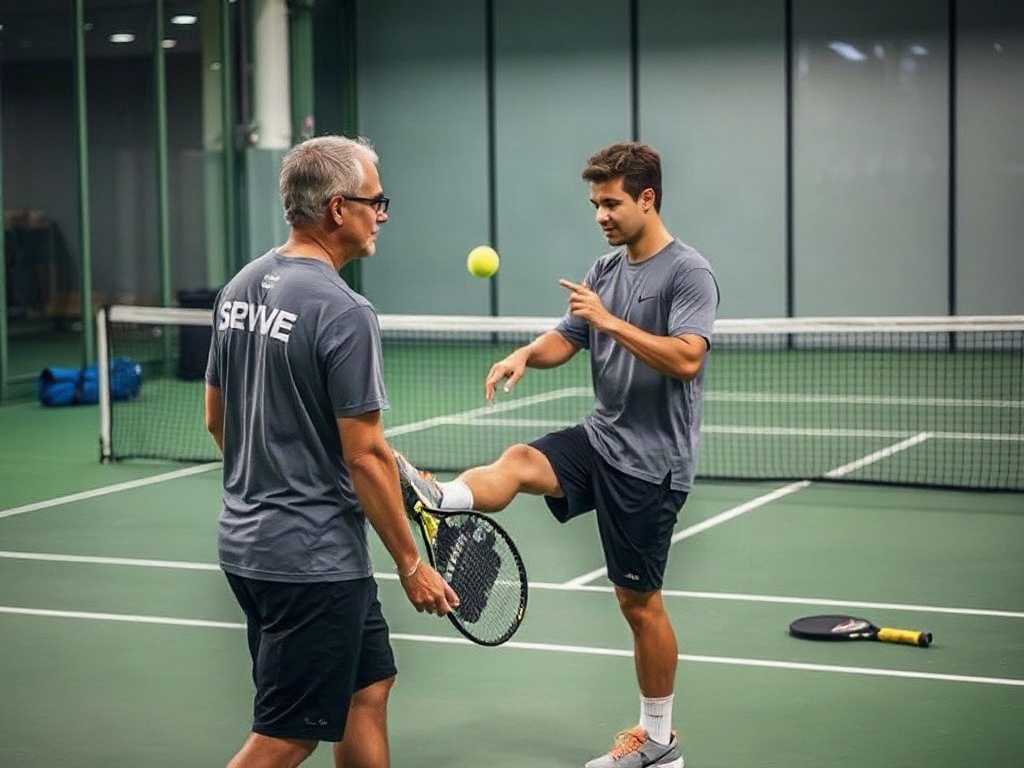
Good serve technique in padel begins with balance, not force. A stable stance allows you to control the drop, the contact point, and the direction of the ball without overthinking each motion. The ideal movement is compact and smooth, with the racket traveling upward in a controlled underhand path. Players often try to overhit because they want immediate pressure, but that usually leads to poor accuracy or a higher contact point than the rules permit. A cleaner serve is usually built on timing rather than muscle, and that is especially true in padel where angles matter more than speed. If the motion feels rushed, the ball usually reveals it instantly.
There is also a tactical side to technique that many players overlook. A serve aimed at the right depth and width can set up the next shot even without extraordinary pace. For that reason, many skilled players use the serve to force a weaker return rather than chase an ace. Consistency often comes from a simple routine that looks almost boring, yet that routine keeps the ball in the right lane every time. The best servers know exactly where the racket face meets the ball and how high the contact point feels in relation to the body. When those details become repeatable, the serve becomes a reliable pattern instead of a guess.
To build a legal and effective serve, start with a calm setup and a deliberate ball drop. Keep the motion low and fluid, and avoid swinging too steeply upward as if you were trying to hit a tennis kick serve. Aim to contact the ball in front of your body so that the strike stays natural and controlled. Keep your eyes on the bounce and your non-racket hand relaxed so your rhythm does not become tense. Finish with a balanced follow-through that sends the ball diagonally without forcing extra height. If you can repeat the same motion under pressure, your serve will become much more dependable.
Bounce height and contact point explained
Bounce height is one of the most misunderstood elements of the padel serve, even though it is central to legality. The ball must bounce on the court before being struck, and the contact should happen below the allowed height, commonly described in relation to the waist or belt area depending on the rules being applied. The practical effect is clear: the server cannot toss the ball and hit it from a high striking point. The bounce should be low enough that the server can strike it with an underhand action rather than a vertical overhead motion. This keeps the serve in line with padel’s controlled style of play. When players ignore bounce height, they often create serves that look flashy but are immediately faulted.
| Serve element | Legal expectation | Common mistake |
|---|---|---|
| Ball release | Ball is dropped or lightly released by hand | Throwing the ball upward like a tennis toss |
| Contact point | Struck underhand at a low height | Hitting above the allowed height |
| Foot position | Server stays behind the baseline | Stepping on or over the line early |
| Direction | Diagonal into the service box | Aim drifting outside the correct box |
| Ball path after bounce | May hit the glass after a legal bounce | Ball hitting the fence before bouncing |
The bounce itself is not something players should rush through. If the ball is dropped too far in front or allowed to rise unpredictably, the contact point becomes difficult to control. That can lead to a higher strike than intended, which is one of the fastest ways to produce a fault. A good rule of thumb is to make the bounce predictable enough that your swing can stay compact and legal. The ball should feel like it is meeting your racket in the same window every time. Once that timing is stable, the rest of the serve becomes much easier to repeat under match pressure.
Common serve faults players commit
Most serve faults in padel are not caused by lack of talent, but by avoidable habits. Players often hurry the motion, forget their feet, or try to add power before they have secured the correct mechanics. Because the serve starts every point, a single illegal action can waste momentum before the rally even begins. A fault may seem minor, yet repeated faults can frustrate a player and give away free points. Understanding the common mistakes helps you spot problems early and correct them before they become automatic. In that sense, fault prevention is as valuable as shot-making.
- Hitting the ball above the legal contact height
- Stepping on or over the baseline before contact
- Serving to the wrong diagonal service box
- Failing to let the ball bounce before striking it
- Sending the serve into the net
- Serving long or wide beyond the service box
Each of these faults has a different cause, but many of them share the same root problem: poor timing. When the server is late to the ball, the contact point rises and the motion becomes less controlled. When the server is early or unbalanced, the ball can drift away from the intended target area. Foot faults often happen because the player is focused on power rather than body position. Directional faults usually come from a rushed shoulder turn or an incomplete follow-through. If you track which mistake happens most often, you can usually identify the weak part of the serve sequence.
Pressure is one reason, but habit is another. A player who serves the same way incorrectly during practice will usually repeat that mistake in competition. Some faults appear because the server copies a tennis motion instead of adapting to padel’s underhand requirement. Others happen because the bounce is too variable, forcing the player to reach for the ball at an awkward height. There is also a mental element, since many players become tense when they only focus on “getting it in” and lose control of the setup. The cleaner the routine, the fewer of these errors tend to appear.
What happens after a fault?
When a serve is faulted, the server normally gets a second attempt, which makes the initial miss costly but not always fatal. That second chance, however, can create pressure that changes the entire rhythm of the point. If the second serve is also faulted, the point goes to the receiving team. This means the serve is one of the few actions in padel where a technical slip can directly hand over a point without a rally. Players who rely too heavily on speed often discover that a safe, legal second serve is better than a risky first serve. The goal is not to impress with power but to begin the point on your terms.
It is useful to think of the two-serve system as a rhythm test. The first serve can be a little more assertive, but it still has to remain within the law. The second serve should be even more controlled, because the margin for error is smaller in both confidence and outcome. Strong players do not treat the second serve as a surrender; they treat it as a reset. That mindset reduces panic and keeps the mechanics clean. When the pressure rises, the player who trusts the routine usually performs better than the player chasing a miracle shot.
Practical tips to improve your serve
Improvement starts with simplicity, because the best padel serves are usually built from repeatable habits rather than complicated mechanics. Work on serving with the same stance, the same drop, and the same swing path until the motion feels automatic. If you change too many variables at once, you make it harder to notice what is actually going wrong. Many players benefit from practicing short sessions with clear goals, such as hitting the same target zone five times in a row. Small wins matter because they build consistency faster than occasional highlight shots. Over time, the serve becomes less of a gamble and more of a tool.
- Use a compact underhand swing instead of a big tennis-style motion
- Practice your ball drop so the bounce stays predictable
- Keep your feet stable behind the baseline before contact
- Aim for depth and placement before adding pace
- Rehearse the same routine before every serve
Another useful method is to practice with targets rather than just open-court serving. By giving yourself a specific zone to hit, you train both direction and confidence at the same time. You can also practice under light pressure by setting small challenges, such as landing three consecutive legal serves before moving on. This helps create a match-like mindset without overcomplicating the drill. If your serve breaks down, return to the simplest version of the motion and rebuild from there. The cleaner the base, the easier it is to add accuracy later.
Итог
Padel serve rules are straightforward once you understand how the technique, bounce height, and positioning all fit together. The legal serve is underhand, controlled, and built around a predictable bounce that allows for fair contact. The most common faults usually come from rushing, lifting the contact point too high, or losing awareness of the baseline and service box. By focusing on repeatable mechanics instead of raw force, you make the serve more reliable and easier to trust in pressure situations. That reliability matters because the serve starts every point and can quietly shape the outcome of the match. If you master the details, you turn a basic rule into a practical advantage.
Часто задаваемые вопросы
- What is the legal height for a padel serve?
The ball must be struck underhand and at a low contact point, typically around waist level depending on the competition rules. The key idea is that the serve cannot be hit from an overhead or overly high position. - Can the ball touch the glass after the serve?
Yes, if the ball lands correctly in the service box first, it may then hit the glass wall. It is only a fault if the ball hits the fence before the bounce or lands outside the correct area. - How many serve attempts do you get in padel?
Players usually get two serve attempts for each point. If both attempts are faults, the point goes to the receiving team. - Do both feet have to stay behind the baseline?
The server must remain behind the baseline at the moment of contact, and the foot position must not break the rules by stepping on or over the line too early. Staying balanced and clearly behind the line helps avoid foot faults. - What is the most common mistake in a padel serve?
One of the most common mistakes is striking the ball too high or using a motion that is too similar to a tennis serve. Foot faults and poor placement are also very common among beginners.