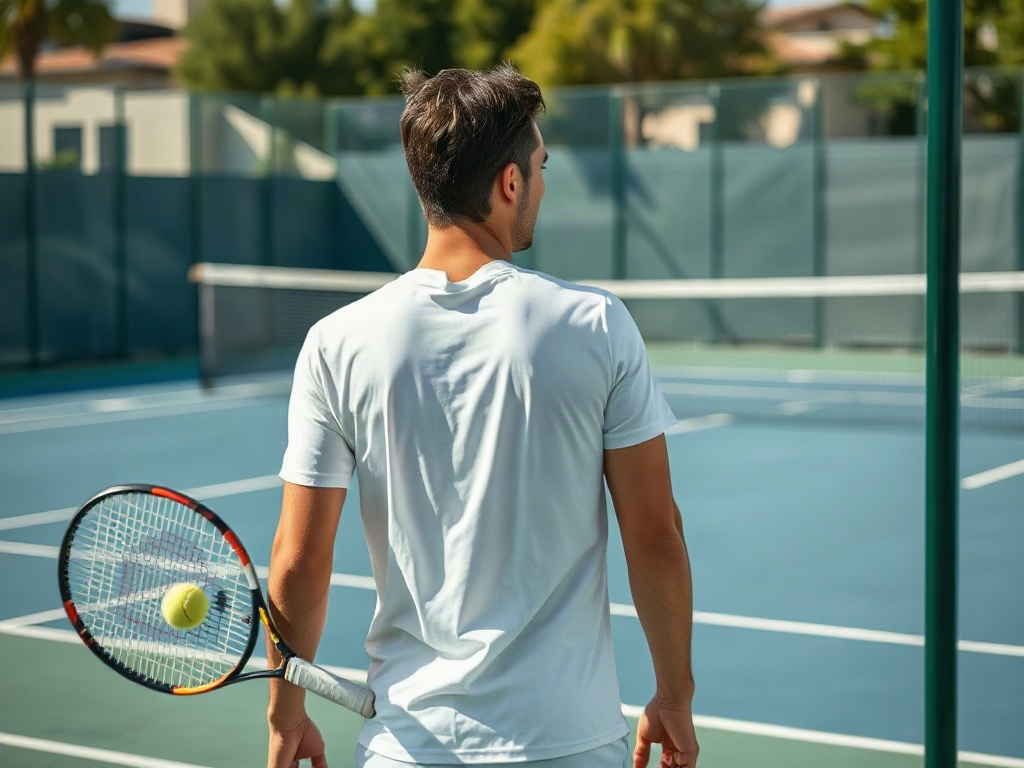

If you come from tennis, padel can feel deceptively familiar for about fifteen seconds. Then the walls get involved, the ball comes back from angles you did not ask for, and your usual instinct to attack the bounce starts working against you. That is exactly why learning to play off the glass is one of the fastest ways to become comfortable on a padel court. Once you understand how the rebound behaves, the game begins to slow down in your mind, even when the ball itself is moving quickly. Instead of treating the glass as a problem, you start using it as a tool. And for tennis players, that mental shift is often the real turning point.
Padel rewards patience, spacing, and a cleaner sense of timing than many tennis players expect. The ball does not merely bounce and wait for a winner’s swing; it interacts with the back and side glass in ways that change your contact point, balance, and recovery. A shot that looks harmless can become awkward if you move too early, while a ball that seems dangerous can become manageable if you let it travel correctly. This guide will help you read those rebounds with more confidence and choose better responses under pressure. You will also see how your tennis habits can be adapted rather than abandoned. The goal is not to erase your tennis background, but to redirect it into padel-specific decision-making.
Understanding the Basics of the Glass in Padel
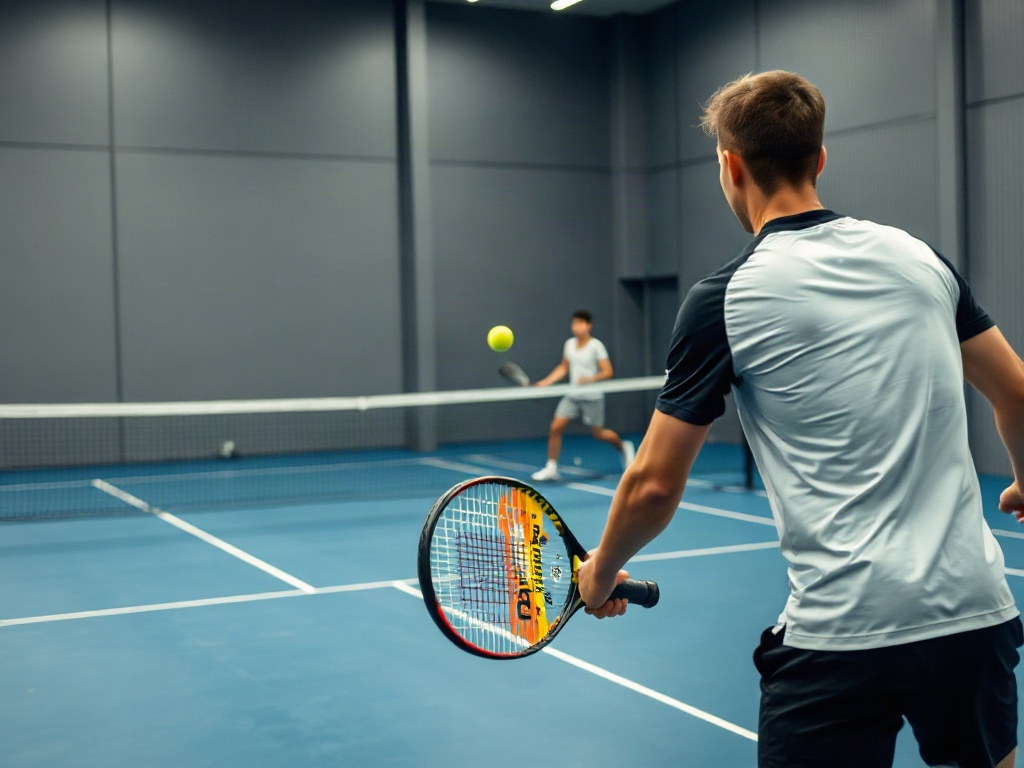
In padel, the glass is not a decorative boundary; it is an active part of the rally. The most important adjustment is accepting that the ball can remain in play after the first bounce, which changes both your movement and your shot selection. On a tennis court, players are often trained to close space early and take the ball in front of them whenever possible. In padel, that same instinct can make you arrive too soon and lose the natural rhythm of the rebound. The result is often a rushed contact, an awkward body position, or a shot that lands short and invites pressure. Once you understand that the wall extends the life of the ball, your footwork becomes more deliberate and much more effective.
The rebound off glass is influenced by pace, spin, height, and angle of approach. A deep, driven ball may come off the back wall with enough pace to force you into a defensive contact, while a softer ball may sit up and give you time to set your feet. Side glass introduces even more variation because the angle can redirect the ball across your body, making tracking and spacing more important. Tennis players often misread these rebounds because they are used to one bounce and immediate contact. In padel, your eyes must continue following the ball after the bounce, not stop at the first skid. That extended reading window is what allows better decisions and more controlled strokes.
Before you try to attack the glass, it helps to recognize the main rebound types you will see most often. These include deep back-wall rebounds, side-wall rebounds, and double-wall rebounds that travel from one glass panel to another before coming into your strike zone. Each one asks for a slightly different recovery pattern and contact point. You do not need to memorize a dozen exotic categories to improve quickly. You do need to know what the ball is likely to do after it hits the first surface, because that prediction determines whether you prepare to defend, counter, or step in. This is where padel starts to feel more like a reading game than a power game.
- Deep rebounds: The ball reaches the back glass and comes back toward you, often requiring a compact defensive swing.
- Side-wall rebounds: The ball glances off the side glass and changes direction laterally before you strike it.
- Double-wall rebounds: The ball touches two walls in sequence, usually creating a more complex and delayed bounce path.
Why Tennis Players Struggle with Glass Walls
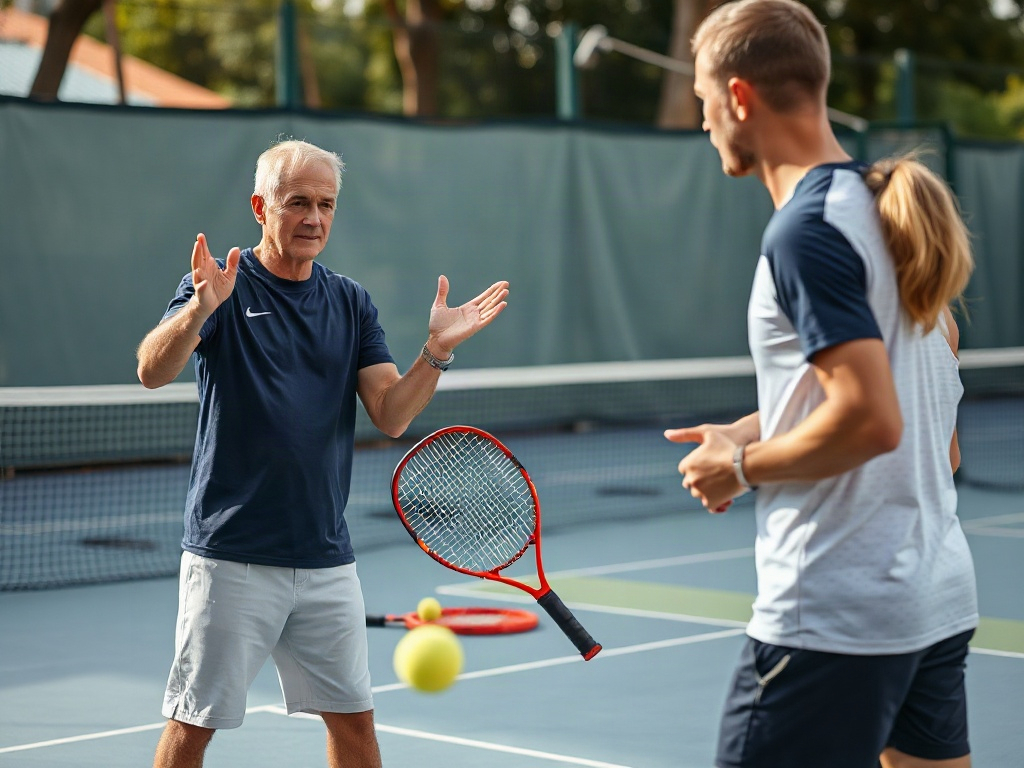
Most tennis players struggle with the glass for reasons that have little to do with ability and everything to do with habit. In tennis, taking the ball early is often rewarded, especially when you want to take time away from your opponent. In padel, however, that same instinct can lead you to crowd the ball and lose the space needed to read the rebound. The first challenge is psychological as much as technical. You have to resist the urge to solve the point before the wall has finished helping you. That patience is not passive; it is strategic timing.
Another common issue is judging pace and depth incorrectly. A tennis player may see the ball coming quickly and assume that a hard, aggressive swing is the answer. In reality, the glass often slows and redirects the ball enough that a controlled block or guided swing is more effective. Footwork also changes in a subtle but important way. Instead of sprinting to the bounce and stopping abruptly, you want to position yourself so you can move backward, track the rebound, and strike with balance. The best padel defenders do not look frantic, even when they are under pressure. They look calm because they trust their spacing.
There is also a tactical misunderstanding that appears often in players switching from tennis. Many assume that every ball off the glass should be attacked as if it were a short ball floating in the middle of the court. That mindset can lead to low-percentage shots, poor recovery, and unnecessary errors. Padel is more circular than linear in its logic, meaning that the best choice is often the one that resets the rally rather than ends it. If you can learn to accept that reality, your game will become much more stable. And once your errors drop, your confidence rises quickly.
Core Principles of Playing Off the Glass
The first principle is simple: let the ball come to you. When the ball is heading toward the back glass, your job is not to race it blindly but to arrive in a position where the rebound can travel into your strike zone. That usually means staying balanced, keeping your knees soft, and avoiding unnecessary steps that close off your options. The glass is part of the timing equation, so your preparation should account for the extra second the ball needs to return. If you move too soon, you will often hit while falling backward or reaching across your body. Good padel defense begins before the bounce, but it does not end there.
Reading the ball is the second principle, and it becomes easier with repetition. You want to notice not only where the ball lands, but how much spin and speed it carries into the wall. A flatter, faster ball often rebounds differently from a higher, softer one, and side spin can create awkward directional changes that surprise players who are not watching closely enough. Your eyes should track the flight, the bounce, the wall contact, and the exit path as one continuous sequence. This is the core visual skill behind effective glass play. Once you see patterns instead of random chaos, the court becomes more predictable.
Spacing matters just as much as vision. If you stand too close to the back glass, you may have no room to let the ball come off the wall cleanly. If you stand too far away, the ball may drop too deep and force a weaker contact. The ideal distance shifts depending on the shot, but the principle stays the same: create enough space to move, rotate, and strike without panic. This is also where recovery footwork matters, because the quality of your next step determines whether you can transition from defense to neutral or from neutral to attack. The glass rewards players who remain organized under pressure.
- Hold a balanced stance that allows you to move forward or backward after the bounce.
- Leave enough space behind you so the rebound does not jam your swing.
- Recover toward the center after contact so you can cover the next ball efficiently.
How to Play Different Shots Off the Glass
Defensive shots off the back glass are the most common starting point for tennis players learning padel. The objective is usually not to blast the ball through the court, but to return it with control and enough depth to neutralize the attack. A compact forehand or backhand swing works better than a long, looping motion because the rebound already adds complexity to the timing. You want your contact point to be comfortable and repeatable, not dramatic. If the ball is dropping after the wall, focus on balance and shape rather than force. This is especially important when you are under pressure near the back fence.
Returns off the side glass require a different feel. The angle created by the wall often means the ball arrives across your body rather than straight at you, which changes both your footwork and your shoulder alignment. Instead of chasing the ball linearly, you need to step around it so that your hips and chest can square up to the intended direction of the shot. For many tennis players, this is the first point where padel begins to feel unfamiliar in a useful way. You are no longer just reacting to a ball; you are managing space, angle, and rebound together. The better you understand that triangle, the more composed your shot-making becomes.
| Rebound Type | Best Body Position | Typical Shot Choice | Main Goal |
|---|---|---|---|
| Back glass | Side-on, balanced, slightly behind the bounce | Compact forehand or backhand block | Neutralize pace and regain control |
| Side glass | Adjusted angle with early shoulder turn | Controlled drive or guided reset | Manage angle and maintain rally shape |
| Double glass | Patient setup with extra tracking time | Defensive reset or lob, if available | Survive pressure and recover position |
Double-glass situations are the most intimidating at first, but they become manageable once you stop rushing the first read. The key is to stay patient enough to see the full path of the ball before committing your body weight. These balls often force you to delay your movement slightly, which can feel uncomfortable for former tennis players who are used to stepping in early. In practice, though, that delay creates clarity. You can choose a calmer shot, protect your balance, and avoid the stretched contact that leads to errors. Many rallies are won not by the cleanest swing, but by the most stable decision under stress.
- Use a short, compact swing path rather than a full tennis-style follow-through.
- Keep your hands soft so the ball can be absorbed and redirected cleanly.
- Stay loaded through your legs and torso for better balance after contact.
Common Drills to Improve Glass Play
The fastest way to improve off the glass is to make the rebound feel ordinary. That means repeating the same movement patterns until your body no longer treats them as emergencies. A simple wall-rebound tracking drill can help you learn how the ball exits the back glass, especially if you start with medium pace and predictable placement. Stand in a realistic defensive position, let the ball hit the glass, and practice waiting long enough to strike from a balanced stance. The goal is not power at first. The goal is to train calm timing and clean preparation.
Shadow movement drills are also valuable because they teach you where to stand before the ball even arrives. Move into position as if the ball were coming deep, side, or wide, then rehearse the body turn and recovery without striking the ball. This helps build a visual memory for spacing and footwork. Partner drills add more realism by giving you live rebounds with changing pace and angle. Start with controlled feeds and gradually increase complexity as your confidence grows. Once you can handle predictable rebounds well, the jump to live-point pressure becomes much easier.
You can also use a simple progression to move from basic control to real match situations. Begin with known, slower rebounds so you can focus on mechanics, then add mixed pace and direction, and finally put yourself under scoring pressure. That progression works because it separates skill acquisition from decision-making load. When the movement becomes automatic, you can focus more on tactics. This is especially useful for tennis players who already have strong hand-eye coordination but need to adapt to the padel wall. Structured repetition shortens that learning curve in a measurable way.
Tactical Tips for Tennis Players Transitioning to Padel
One of the biggest tactical changes is learning not to treat every ball as an opening to finish the point. In tennis, a short ball often invites an aggressive forward move and a decisive strike. In padel, the walls and smaller court often mean that patience creates better opportunities than immediate aggression. If you force the issue too early, you can give your opponents an easier ball or expose yourself to a counterattack. Instead, think in layers: first defend, then neutralize, then attack when the court really opens up. That sequence fits the geometry of padel much better than pure tennis instincts do.
Using the glass to create angles is another powerful tactic. A ball that rebounds off the wall can sometimes be guided into a more awkward position for your opponents than a direct hit would produce. This is where the game starts to reward smart construction rather than raw pace. You do not need to overpower your opponents to control the point. You need to make the ball travel in a way that reduces their comfort and increases your own time to recover. That subtle shift in thinking is what makes experienced padel players look so efficient.
Mistakes to Avoid When Using the Glass
The most common mistake is standing too close to the wall and taking away your own time. When you crowd the bounce, the ball has less room to slow and rebound naturally, which often leads to cramped swings and poor contact. Another frequent problem is swinging too hard under pressure. Strong effort does not always produce better results, especially when the wall is already adding complexity to the shot. A compact, well-timed stroke usually performs better than a desperate full-blooded one. If you can resist the urge to overhit, you will make far fewer errors.
Players also tend to ignore partner positioning, which is costly in doubles padel. If one player moves to the glass without coordination, the other may be left exposed to the next ball. Communication matters because the court is smaller, the angles are tighter, and transitions happen faster than in tennis. You should always know who is covering the center, who is taking the back wall, and where recovery is happening after the shot. Good glass play is rarely an individual act; it is a team pattern. The better your shared spacing, the more stable your entire defense becomes.
Итог
Mastering the glass in padel is not about becoming a different athlete; it is about refining how you see, move, and decide. Tennis players often arrive with strong hands and good competitiveness, but they need to adapt those strengths to a court where the walls extend rallies and reward patience. Once you stop fighting the rebound and start working with it, your entire understanding of the game changes. You begin to stand in better places, choose better shots, and recover with more purpose. Most importantly, you stop seeing the glass as an obstacle and start seeing it as part of your strategy. That is the moment padel starts to feel much more natural.
If you want to improve quickly, focus on three things: read the rebound early, keep your swing compact, and maintain good spacing from the wall. Those three habits alone will solve a surprising number of problems. From there, add drills, live rallies, and tactical patience until the movement feels automatic. The players who adapt fastest are not always the strongest or the most athletic. They are the ones who learn to let the court help them. In padel, that is often the biggest advantage of all.
Часто задаваемые вопросы
- What is the main difference between tennis and padel when playing off the glass? In padel, the walls are part of the court, so the ball can stay alive after the first bounce and change direction off the glass. That means you often wait for the rebound before striking, rather than attacking immediately after the bounce. Tennis players need to adjust their timing and spacing because the wall changes the rhythm of the rally. The glass is not just a boundary in padel; it is a tactical element. Learning to read it well is one of the biggest steps in becoming comfortable on the court.
- Should I always let the ball hit the back glass in padel? No, not always, because some balls are better taken before they reach the wall. The right choice depends on the ball’s height, speed, spin, and how much space you have to work with. If the ball is high enough or slow enough, taking it earlier may help you stay in control. If it is deep and fast, allowing it to come off the glass may give you better timing. The key is learning to judge the situation rather than following one fixed rule.
- How do I know when to play the ball after the side glass? Watch the full path of the ball and wait until the rebound slows enough for you to strike cleanly. Side glass often changes the angle of the ball, so your feet and shoulders need to adjust before contact. If you rush in too soon, you may end up hitting across your body with poor balance. The better approach is to move with patience and let the ball finish its curve. With practice, that timing becomes much easier to trust.
- What is the biggest mistake tennis players make with the glass? The biggest mistake is usually moving too early and swinging too aggressively. Many tennis players try to solve the point before the rebound has fully developed, which leads to rushed contact and bad positioning. In padel, that often backfires because the wall changes the ball’s movement in ways that require patience. A compact, controlled swing is usually more effective than a forceful one. Once players learn to slow down mentally, their results improve quickly.
- How can I practice glass play faster? The fastest way to improve is to start with predictable rebound drills and then increase the difficulty step by step. Begin with controlled feeds, then add mixed pace, and later move into live-point situations. Repetition helps you understand how the ball behaves off the wall, while match-like pressure teaches you to use that knowledge under stress. It also helps to practice with a partner who can vary placement and speed. Consistent, structured drilling will make your glass play more reliable in far less time than random match play alone.