A transition lesson should address the transition
Tennis players often arrive at padel with useful coordination and a strong desire to attack. A good introductory lesson should build on those strengths while explaining the new tactical problems. Before booking, tell the coach how often you play tennis and how much padel experience you have. Describe any specific confusion, such as deciding whether to take a ball before the glass. This page is a guide to comparing coaching services, not an offer of lessons at a named facility.
Ask for content that changes your decisions
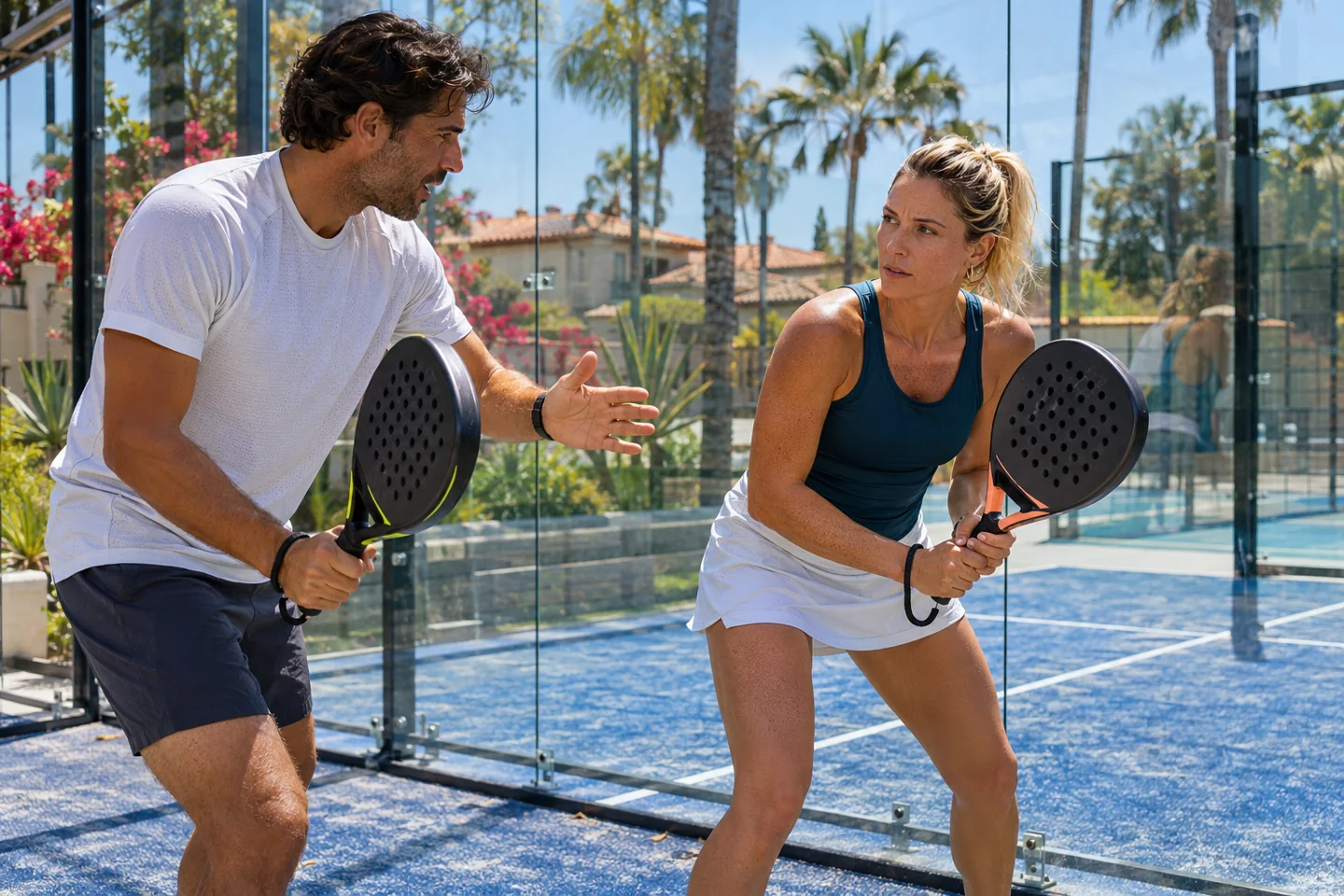
Useful transition topics include the underarm serve, the option to let a ball reach the back wall and the way two partners move together. Ask how the coach introduces those ideas in live play. A session made entirely of basket-fed shots may improve a contact without showing when to use it. Look for a clear connection between a drill and a match situation. Avoid assuming that a powerful overhead or a familiar volley is always the correct answer on a padel court.
Choose the right learning group
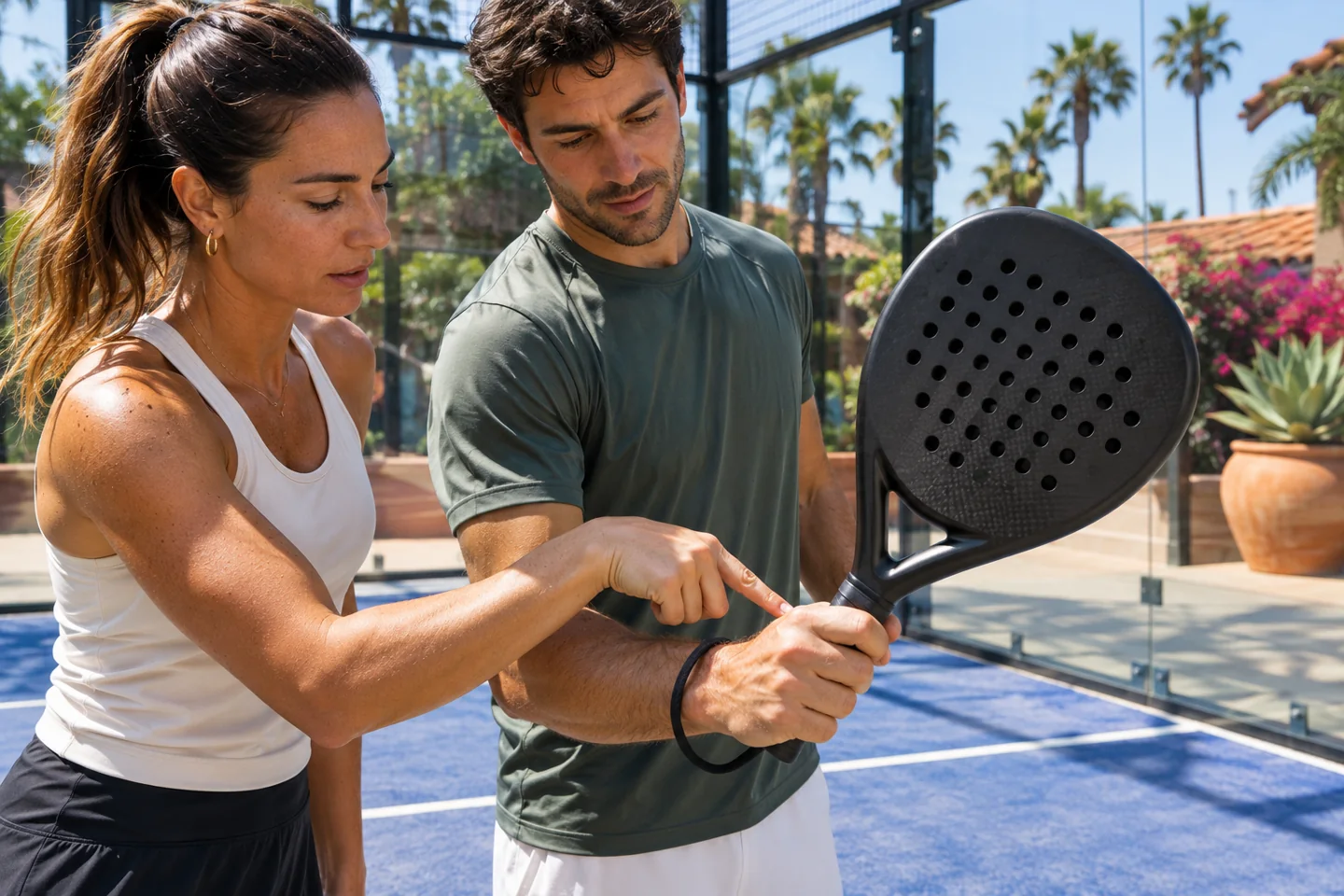
A tennis-only background does not put every player at the same starting point. Some people have already played many social padel matches; others have never encountered a rebound from the glass. Ask how the provider groups players and whether a short assessment is available. For a shared lesson, find out how feedback is divided and what happens if abilities differ substantially. A smaller group may give more individual attention, while a well-matched group can provide useful live point situations.
Check the booking details before paying
Request the current fee, duration, group limit and equipment arrangements. Ask whether court hire is included and what happens if weather interrupts the session. A multiweek course should have clear rules for absences and coach substitutions. If a provider describes the course as suitable for tennis players, ask what that means in its actual lesson plan. A concrete explanation is more informative than a promise of rapid progress. Consider one session before making a longer commitment.
Evaluate a lesson by what you can repeat
Afterwards, identify one change you understand well enough to practise in your next game. That might be waiting for a rebound, choosing a safer target or moving forward with your partner instead of alone. Improvement will not always appear as an immediate match win. Look for more deliberate decisions and fewer situations in which you do not know your options. Review our beginner racket guide if equipment is another source of uncertainty, or return to Home.